The thrill of risk-taking
The allure of gambling often stems from the adrenaline rush that accompanies risk-taking. For many individuals, the act of betting money or assets introduces an element of excitement that can be hard to replicate in everyday life. This thrill can activate the brain’s reward system, releasing dopamine and creating feelings of euphoria, especially at places like casino non gamstop where the stakes are high. This surge of excitement and pleasure keeps players returning for more, despite the potential losses they might face. The anticipation of winning can create a powerful emotional response, making the experience exhilarating and addictive.
This need for excitement isn’t just about the money; it’s about the experience itself. Many people find joy in the uncertainty of games like poker or blackjack, where every round presents a new opportunity for success or failure. The anticipation built before the reveal of the next card or the outcome of a spin can be exhilarating, providing a temporary escape from the mundane aspects of life. This thrill-seeking behavior is deeply rooted in human psychology, suggesting that the unpredictable outcomes of gambling can be more appealing than the predictability of daily routines.
Moreover, for some, gambling serves as a form of social interaction. Whether at a brick-and-mortar venue or online, the companionship found in sharing the highs and lows of gaming can create a sense of community. This social aspect can be just as integral to the gambling experience as the games themselves, further enhancing the overall enjoyment and reinforcing the desire to engage in gambling activities. The combination of risk, excitement, and social interaction makes gambling a compelling activity for many individuals.
The psychology of winning and loss
The psychology behind winning and losing is another crucial factor in understanding why people are drawn to gambling. Winning reinforces positive feelings and behaviors, often leading players to associate gambling with success and good fortune. For many, even small wins can evoke a sense of accomplishment, making it easier to ignore previous losses. The phenomenon known as “loss aversion” suggests that losses feel more significant than equivalent gains, driving individuals to gamble more in hopes of recouping their losses, creating a cycle that can be hard to break. This cycle can lead to an ongoing struggle as individuals chase the thrill of past victories.
This cycle of winning and losing can evoke a range of emotions, from excitement to disappointment. Players often experience a rollercoaster of feelings as they navigate their gambling journeys. Many gamblers fall into the trap of chasing losses, believing that a lucky streak is just around the corner. This belief can encourage further gambling, often against their better judgment. Understanding the psychology of winning and loss can shed light on why individuals continue to gamble, even when the odds may not be in their favor, ultimately perpetuating their engagement in risky behavior.

The illusion of control also plays a significant role in gambling. Players often believe they can influence the outcome of games through strategy or skill, particularly in games such as poker or sports betting. This perceived control can lead to a false sense of confidence, encouraging people to gamble in hopes of achieving success. When combined with the emotional highs and lows of gambling, the illusion of control can create a potent mix that keeps players returning for more, despite the inherent risks. This dynamic emphasizes the complexity of gambling psychology, where emotions and cognitive biases intertwine to shape behavior.
Escapism and distraction
For many individuals, gambling represents an escape from everyday stresses and challenges. The thrill of the game can provide temporary relief from personal issues, financial burdens, or relational problems. In these instances, gambling can serve as a distraction, allowing players to immerse themselves in a different world, where they can momentarily forget their troubles. This function of gambling as an escape is immensely powerful, creating a psychological refuge that many individuals seek during tough times. The draw to gambling can often intensify during periods of personal crisis, as individuals look for ways to cope with their emotions.
Additionally, the immersive environment of casinos and online gaming platforms can heighten this escapist experience. Lights, sounds, and the constant action create a sensory overload that can draw individuals deeper into the gaming experience. This environment helps to facilitate a disconnection from reality, allowing gamblers to temporarily retreat from their worries. As people engage in this escapism, they may find themselves investing more time and money into gambling as a way to prolong this feeling of freedom from everyday life. The allure of such environments can make it challenging for individuals to recognize the potential consequences of excessive gambling.
However, the downside of using gambling as a means of escape should not be overlooked. While it can provide temporary relief, it may also lead to long-term issues, including financial difficulties and relationship challenges. The desire to escape can transform into compulsive behavior, where gambling becomes the primary focus instead of a recreational activity. Understanding this psychological aspect of gambling can help individuals recognize the fine line between fun and addiction, paving the way for healthier coping mechanisms. By acknowledging the risks associated with escapism, individuals can seek alternative ways to manage stress and improve their overall well-being.
The social dimension of gambling
The social aspect of gambling is often underestimated, yet it significantly influences people’s attraction to this activity. Participating in games with friends or strangers creates a unique bonding opportunity that can enhance social interactions and create lasting memories. Many individuals find that the camaraderie shared during a gaming session can be just as fulfilling as the games themselves. This social connection is especially pronounced in community-focused gambling events, where individuals come together for shared experiences. The laughter, conversation, and competition can foster relationships that extend beyond the gaming table.
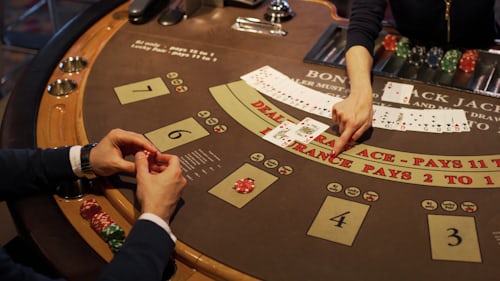
Moreover, the rise of online gambling platforms has transformed the social dimension of gambling. Players can interact with one another through chat functions, forums, and multiplayer games, creating a sense of community even while playing from the comfort of their homes. This aspect of online gambling appeals to those who may feel isolated or prefer the social interactions that come with friendly competition. As such, the social dimension not only enhances the enjoyment of gambling but also fosters relationships that transcend the games themselves, offering a sense of belonging that is often sought in today’s fast-paced world.
However, while the social connections formed in gambling can be positive, it is essential to be aware of potential pitfalls. Social pressures can lead individuals to gamble beyond their means or engage in unhealthy competition. Additionally, gambling is often glamorized as a social activity, which might mask the risks associated with it, contributing to behaviors that could lead to addiction or financial strain. Recognizing the dual nature of gambling as both a social activity and a potential source of issues is crucial for maintaining a balanced perspective on the activity. By fostering awareness of these dynamics, individuals can navigate their gambling experiences more responsibly.
Responsible gambling and resources
Understanding the psychology behind gambling is essential in promoting responsible gaming practices. Recognizing the emotions and motivations that drive people to gamble can help individuals set limits and acknowledge when gambling becomes problematic. By fostering a deeper awareness of the underlying reasons for gambling, players can be better equipped to enjoy the experience without falling into harmful patterns. Resources and support systems can also play a vital role in promoting responsible gambling. Education about the risks and establishing clear boundaries can empower individuals to make informed decisions.
Websites dedicated to gambling awareness offer valuable information, tools, and resources for individuals who may need assistance. These platforms provide education on the risks associated with gambling and strategies to maintain control over one’s gaming habits. Additionally, many organizations offer counseling services and support groups that aim to help individuals struggling with problem gambling. These resources are critical for creating a healthier gambling environment that emphasizes enjoyment rather than excess. By utilizing these resources, players can better safeguard their mental and financial well-being.
Ultimately, the key to enjoying gambling lies in understanding its psychological aspects and recognizing the signs of problematic behavior. Responsible gambling practices, informed by knowledge and awareness, can lead to a more enjoyable experience for players. By prioritizing education and utilizing available resources, individuals can ensure that gambling remains a fun, social activity rather than a path to potential distress or harm. Emphasizing a balanced approach to gambling can help individuals navigate their experiences in a way that fosters enjoyment while minimizing risks.